FAQS: 7 Powerful Starlink Answers
FAQS matters because most Kenyan internet buyers do not start with a clean technical brief. They start with a stalled video call, a shop that cannot process payments, a school lab that keeps dropping, a remote home that has tried every mobile router, or a farm office that needs cloud tools to work without drama. Orbit Internet Kenya sits in that practical space: Starlink kits, installation advice, package guidance, and satellite internet support for locations where ordinary fibre has not solved the problem.
This guide treats faqs as a real buying topic rather than a thin page label. The reader may be comparing prices, checking whether Starlink Mini is enough, asking how installation works, or trying to judge whether Orbit Internet Kenya is the right team to call. That is why the article follows the structure used by strong SEO publishers: a quick answer, search intent coverage, comparison tables, field-tested objections, implementation depth, and a clear action path. Start with Starlink Installation Kenya, then compare budget details through Starlink Kenya Price and Starlink Kenya Packages.
The goal is simple: clear answers that move a reader from confusion to a prepared Starlink conversation. If you are one of the homeowners, rural families, SMEs, schools, farms, lodges, and field teams, read this with your own site in mind. Think about roof access, power stability, the number of active users, the rooms that need WiFi, and the cost of downtime. Helpful related pages include Starlink Internet Kenya, Starlink Kenya, Amazon Leo Internet Kenya, and Amazon Kuiper Kenya. For wider market context, compare language and service claims from Starlite Internet Kenya, Starlink Kenya Installers, Amazon Internet Kenya, Spacelink Kenya, and Orbit Link Solutions.
FAQS: quick answer for serious buyers
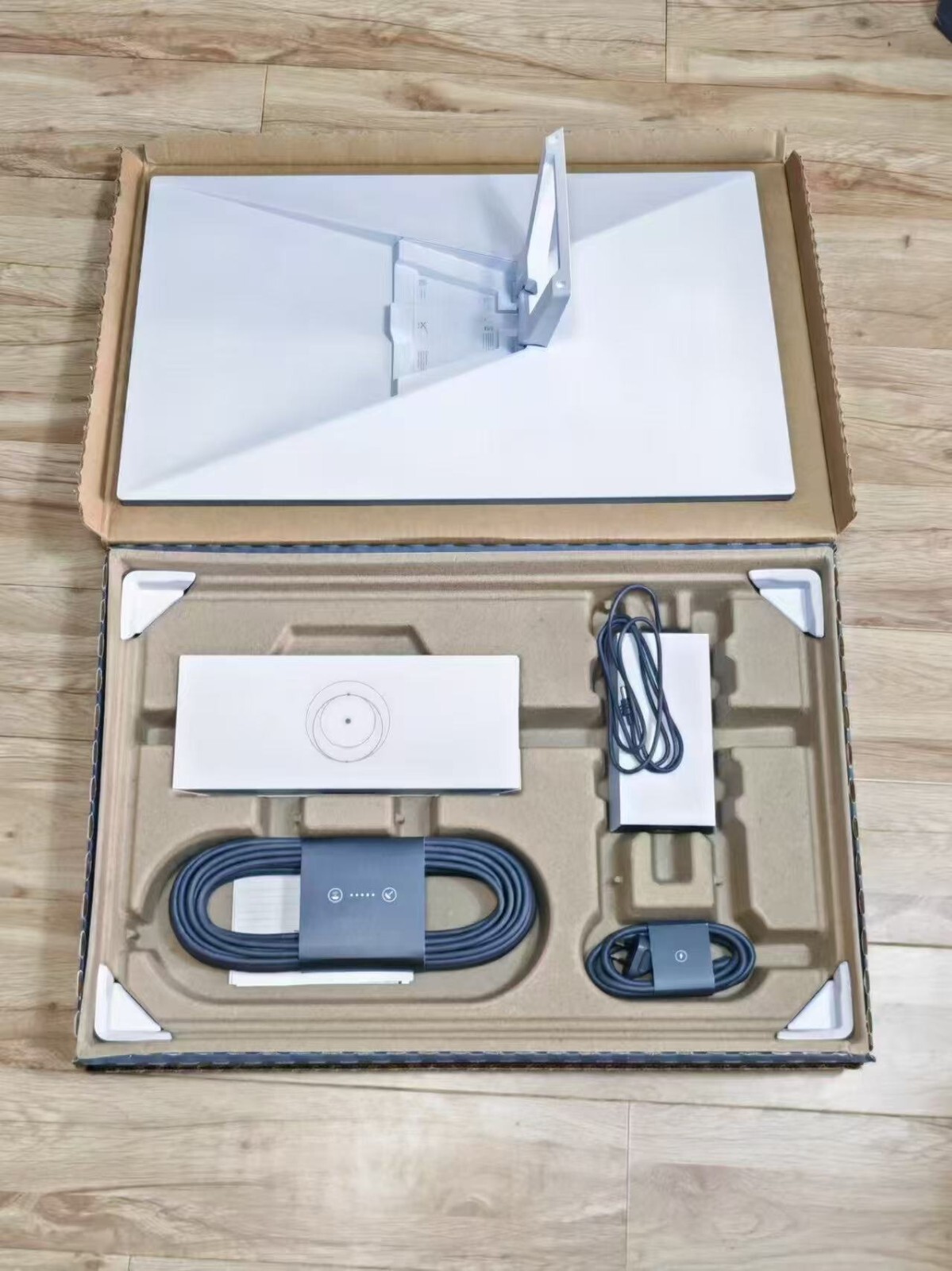
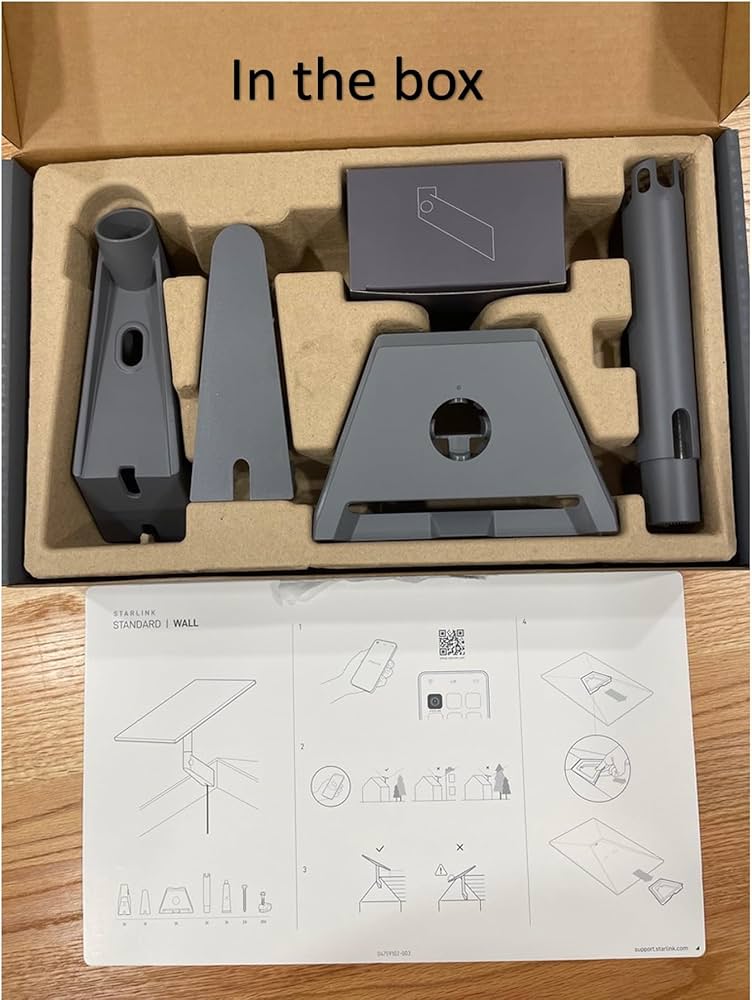
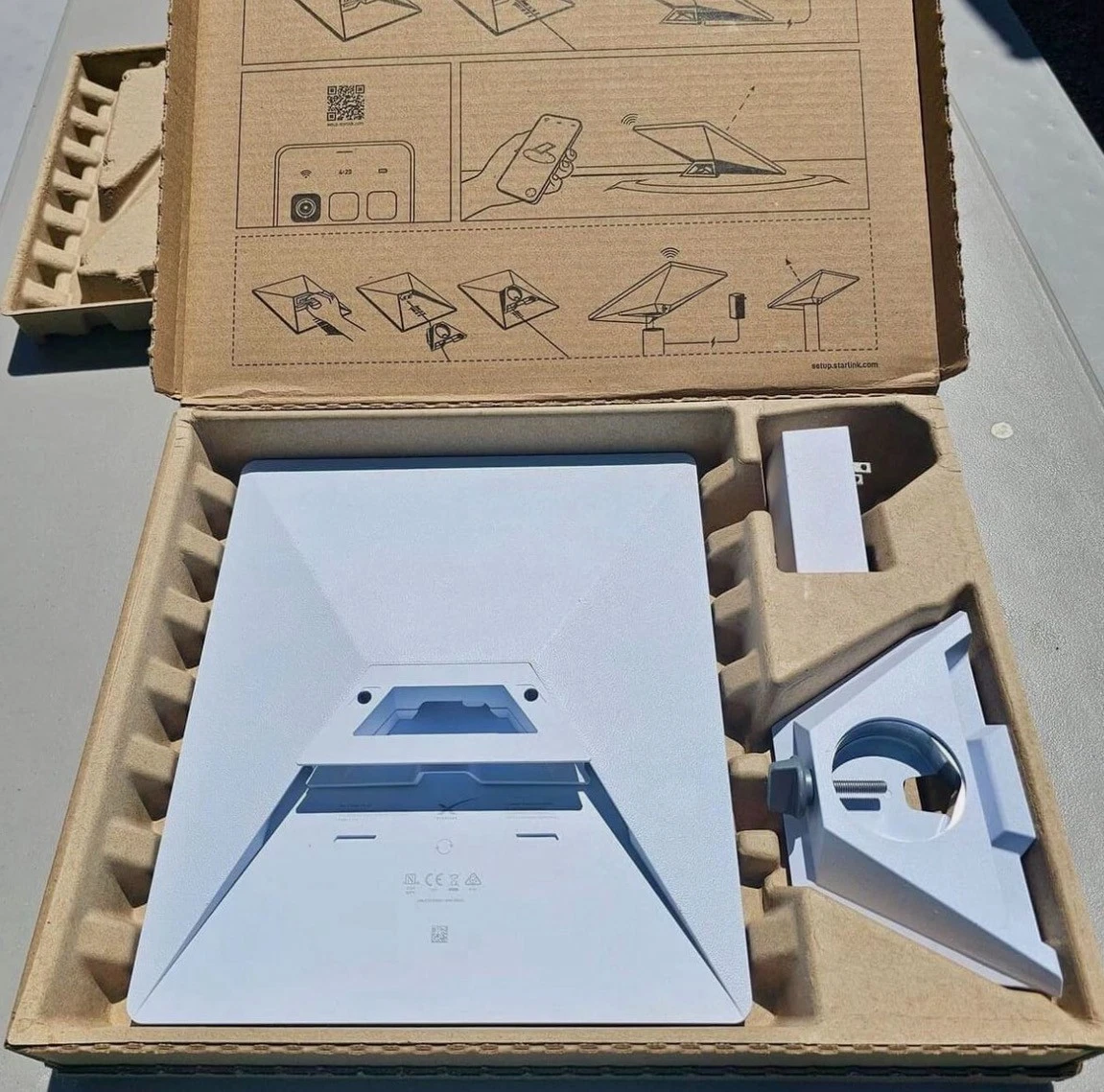
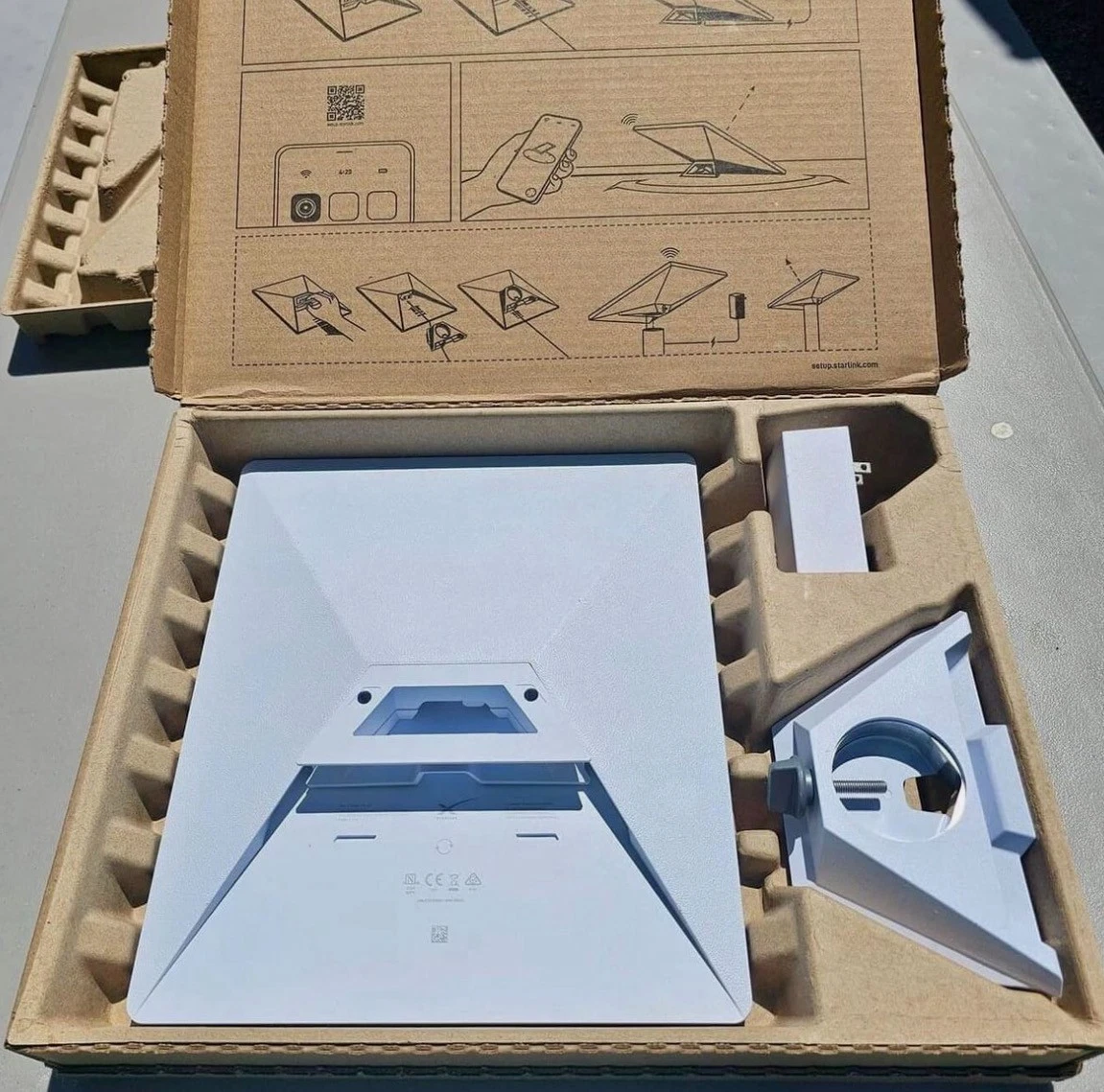
FAQS is best understood as a decision page. It should answer what Orbit Internet Kenya does, how Starlink service is selected, what buyers should budget for, and how installation turns a satellite kit into usable internet. A short answer is useful, but the stronger answer explains the system: kit, mounting point, cable route, router placement, monthly package, local WiFi, power backup, and support after handover.
For most buyers, faqs leads to one of three needs. The first is clarity before paying. The second is comparison between Mini, Standard, fibre, fixed wireless, and mobile routers. The third is confidence that the installer understands Kenyan sites, from Nairobi apartments and Mombasa rooftops to rural schools, lodges, farms, clinics, and field offices. Good content must serve all three needs without becoming vague.
FAQS: search intent dominance layer
The search intent behind faqs is mixed but highly useful. Some readers want information, some want proof, and some are close to making a purchase. The page should therefore answer informational questions while quietly supporting commercial investigation. That is the same logic visible in strong SEO guides from Ahrefs and Semrush: define the topic, show the decision criteria, compare options, address objections, and help the reader take the next sensible step.
A strong faqs page should not hide the helpful links. Installation readers need Starlink Installation Kenya. Price-focused readers need Starlink Kenya Price. Package readers need Starlink Kenya Packages. General Starlink readers need Starlink Internet Kenya and Starlink Kenya. Buyers watching future low-earth-orbit networks can read Amazon Leo Internet Kenya and Amazon Kuiper Kenya. Coastal or apartment buyers can use Starlink Mombasa Setup Tips for location-specific thinking.
FAQS: what the reader usually wants
- A plain explanation of kit choice and whether it fits the buyer's site.
- A realistic view of installation without hiding installation details.
- A comparison that covers price planning and not just headline speed.
- Trust signals around support, warranty expectations, and support.
- A final action path for coverage and quote preparation.
FAQS: comparison dominance section
FAQS becomes easier when the reader sees the main choices side by side. A buyer is rarely comparing one abstract service with another; they are comparing a real pain against a practical fix. The table below keeps the decision grounded in Kenyan conditions: coverage gaps, installation quality, WiFi reach, support, and total cost.
| Choice | Best use | Strength | Watch-out |
|---|---|---|---|
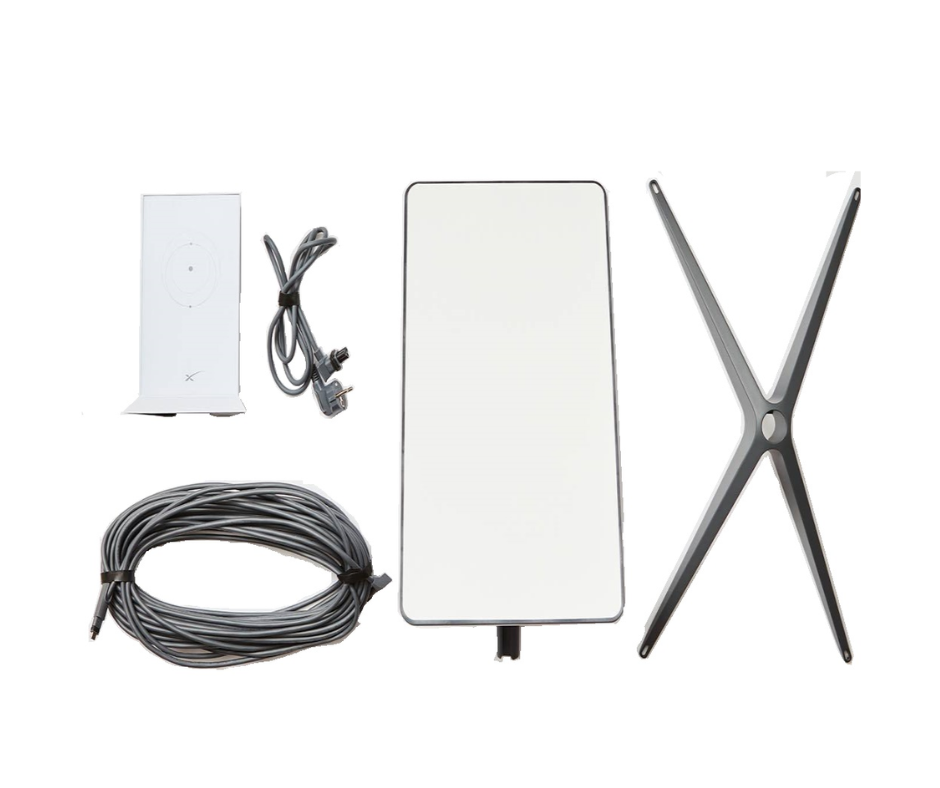
| Starlink Standard kit | Homes, offices, schools, lodges, clinics, and busy sites | Strong satellite broadband for places beyond reliable fibre | Needs clear sky, safe mounting, power, and local WiFi planning |
| Starlink Mini kit | Portable work, lighter home use, field trips, backup, and flexible sites | Compact and convenient where portability matters | Heavy multi-user sites may need a bigger network plan |
| Fibre internet | Urban estates and covered business areas | Stable when the provider's network is already strong | Availability stops where the fibre route stops |
| Mobile router | Light use, backup, temporary sites, and strong-signal areas | Easy to start and familiar | Congestion, weak indoor signal, and data policies can hurt reliability |
| Fixed wireless | Line-of-sight sites near a well-managed tower | Can be practical when engineered well | Tower load, weather exposure, and support quality vary |
FAQS: strong E-E-A-T signals
Experience shows up in the questions an installer asks before giving a final recommendation. A careful provider asks about obstruction, roof safety, rooms that need coverage, number of users, power cuts, business systems, guest WiFi, and whether the connection is primary or backup. That field knowledge is more useful than a generic speed promise. It turns faqs into a practical service conversation.
Expertise also means knowing the limits. Satellite internet is powerful, but it still depends on clear sky view, careful mounting, protected cable, stable power, and a local network that matches the building. An honest Orbit Internet Kenya guide should explain when Mini is enough, when Standard is better, when mesh WiFi is needed, and when a backup link is sensible. That balance builds trust because it respects the buyer's money.
Authority grows when the site connects related resources instead of leaving the reader stranded. That is why faqs should point to pricing, packages, installation, Starlink Kenya background, Amazon satellite context, and Mombasa-specific setup tips. Trust grows further when the buyer receives a quote that lists the kit, accessories, labour, mounting approach, and support assumptions in plain language.
FAQS: implementation depth
Implementation begins before the kit is switched on. The buyer should describe the site clearly: town, nearest road, building type, roof access, power location, number of users, and any business systems that must stay online. This is where faqs stops being a general search and becomes a site plan. A technician can only recommend the right setup if the working conditions are known.
Next comes kit selection. Starlink Mini may be attractive because it is compact, while the Standard kit may suit heavier homes, offices, schools, and guest-facing networks. The right choice depends on expected use, not pride of ownership. A family streaming, studying, and working from home has one pattern. A lodge with guest WiFi and bookings has another. A clinic or shop with payments has very little room for unreliable service.
Mounting should be treated with respect. A dish or terminal needs a clear sky view, firm placement, and a cable route protected from water, sharp bends, doors, foot traffic, and careless pulling. The neatness of the installation affects reliability and future troubleshooting. FAQS is not complete when the box is opened; it is complete when the system is mounted, powered, tested, and explained.
Local WiFi is the next layer. Many complaints blamed on satellite internet are actually indoor coverage problems. Thick walls, long corridors, separate buildings, metal roofs, and crowded rooms can weaken a router signal. A good plan may include mesh units, access points, outdoor links, or a stronger router. Testing should happen in the rooms where people actually browse, work, teach, pay, and stream.
The handover should be simple. The customer needs the WiFi name, password, package details, restart steps, support number, and a short explanation of what normal performance looks like. For business sites, the handover should also cover payment terminals, CCTV, guest access, staff use, and backup power. This small discipline prevents panic when something minor needs checking later.
- Confirm the exact kit and plan before payment.
- Check clear sky view and safe mounting before installation day.
- Budget for mounts, cable protection, WiFi extension, and power backup where needed.
- Test the rooms, counters, offices, and outdoor spaces that matter most.
- Keep support details and package records where the responsible person can find them.
- Review performance after the first busy day, not only during the first speed test.
FAQS: price and package planning
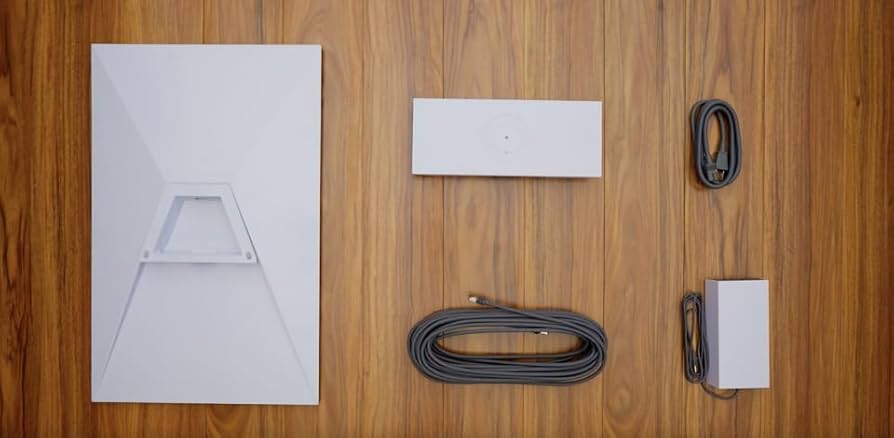
Budgeting should include more than the headline kit price. A complete Starlink purchase may include the terminal, monthly service, installation labour, mounting accessories, extra cable work, mesh WiFi, outdoor access points, surge protection, UPS backup, transport, and support. Buyers who compare only the cheapest kit number often miss the pieces that make the connection dependable.
| Budget line | Why it matters | Buyer question |
|---|---|---|
| Kit | The hardware choice shapes capacity, portability, and site fit | Is Mini enough, or is Standard better for this workload? |
| Monthly package | The plan should match daily use and number of users | Which package fits home, business, school, or lodge use? |
| Installation | Mounting and cable work affect reliability | What exactly is included in the installation quote? |
| WiFi extension | Large or thick-walled buildings need planned coverage | Do I need mesh, access points, or outdoor links? |
| Power protection | A strong internet link still fails when power is unstable | Should I add UPS, solar backup, or surge protection? |
Use Starlink Kenya Price and Starlink Kenya Packages for current Orbit Internet Kenya pricing and package context. Use Starlink Installation Kenya to understand installation work before comparing quotes. A clear quote should make faqs feel less mysterious because every cost has a reason tied to the site.
Objection handling section
Is these answers just another sales page?
It should not be. A useful page answers real buyer questions, links to deeper resources, compares choices, explains limitations, and helps a person prepare for a better quote. The value is in clarity, not in louder promises.
Can one Starlink router cover everything?
Sometimes, but not always. Small homes may be fine with one router, while schools, lodges, offices, and compounds often need mesh WiFi or access points. Satellite brings the connection to the property; the local network spreads it.
Is Starlink always better than fibre?
No. Fibre can be excellent where it is available and stable. Starlink often wins where fibre is absent, unreliable, slow to repair, or too far from the buyer's site. The stronger decision compares coverage, uptime, installation timeline, and support.
Should I choose Mini because it is compact?
Choose Mini when portability, lighter use, or flexible deployment matters. For busier sites with many users, the Standard kit and a stronger WiFi plan may be better. The workload should lead the decision.
What if the site has power cuts?
Plan for backup power. A Starlink kit, router, and access points need stable electricity. UPS or solar backup may be worth the cost for businesses, schools, clinics, lodges, and homes that rely on the connection every day.
Semantic keyword expansion for this guide
Related searches include Starlink Kenya, satellite internet Kenya, Starlink installation Kenya, Starlink packages Kenya, Starlink Mini, rural internet Kenya, internet for remote areas, Starlink router setup, business internet Kenya, school internet Kenya, and Starlink price Kenya. These terms belong naturally in the question set because buyers use different words for the same practical need: dependable connectivity where ordinary options are weak.
The semantic layer should also include coverage, latency, uptime, mounting, obstruction, clear sky view, router range, mesh WiFi, access points, activation, support, warranty, monthly plans, installation cost, power backup, and site survey. These are not decorative keywords. They are the details that make the content useful to readers and easier for search engines to understand.
these answers: decision CTA architecture
A strong call to action should not pressure the reader before the reader understands the job. The better path is staged. First, learn the basics. Second, compare kit and price. Third, describe the site. Fourth, request a quote that includes installation and support details. Fifth, test the finished network in the exact places people use it.
- Read Starlink Installation Kenya before choosing a mounting approach.
- Check Starlink Kenya Price and Starlink Kenya Packages before setting the budget.
- Review Starlink Internet Kenya and Starlink Kenya for broader Starlink Kenya context.
- Compare future-facing satellite options through Amazon Leo Internet Kenya and Amazon Kuiper Kenya.
- Use Starlink Mombasa Setup Tips if the site has coastal, apartment, or rooftop concerns.
- Ask Orbit Internet Kenya for a quote based on your location, users, power, and WiFi coverage needs.
the help page should leave a buyer calmer and better prepared. The right question is not simply what the service costs. The better question is what it will take to make the connection dependable for the people who will use it every day.
FAQ about this guide
What is the main purpose of the question set?
these answers helps buyers understand Orbit Internet Kenya, Starlink service options, installation needs, pricing context, and support expectations before they make a payment. It should reduce guesswork by explaining what matters on a real site: kit fit, mounting, WiFi reach, power, users, and ongoing help.
How should I prepare before asking about the help page?
Prepare your town, building type, number of active users, roof access, power situation, and the rooms or outdoor areas that need WiFi. Also decide whether the connection is primary internet, backup internet, guest WiFi, school access, business use, or portable field work.
Does this guide apply to rural buyers?
Yes. Rural buyers are often the strongest fit because Starlink can serve places where fibre and fixed wireless are weak or unavailable. The site still needs clear sky view, safe mounting, protected cabling, stable power, and a WiFi plan that reaches the working areas.
Can the question set help me compare Mini and Standard kits?
Yes. Mini is attractive for portability, lighter use, and flexible work, while Standard is often better for heavier homes, offices, schools, lodges, and multi-user sites. The best answer depends on daily workload, number of devices, and whether the network must serve guests or business systems.
What should a good Orbit Internet Kenya quote include?
A useful quote should include the kit, monthly plan recommendation, installation labour, mounting accessories, cable needs, WiFi extension options, power protection advice, warranty expectations, and support contacts. Clear scope helps buyers compare offers fairly and avoid surprise costs later.
Final thoughts on these answers
the help page is useful when it gives the reader a complete view of the decision. Starlink is not only a product on a shelf. It is a connection that depends on the kit, the sky view, the mount, the cable, the router, the package, the power source, and the people who support it after installation. A buyer who understands those pieces is much less likely to be disappointed.
Orbit Internet Kenya's strongest role is helping buyers connect the service to a real location. That means advising on Starlink kits, explaining prices and packages, planning installation, and making sure the local WiFi setup fits the building. The internal resources on installation, pricing, packages, Starlink Kenya, Amazon Leo, and Amazon Kuiper give readers a fuller path than a single short sales page.
For anyone comparing this guide, the final move is practical: describe the site honestly and request advice that matches the workload. A remote home, office, clinic, lodge, school, farm, or travelling team may all need satellite internet, but each one needs a slightly different setup. Get that fit right and the service becomes less of a gadget and more of a reliable working tool.