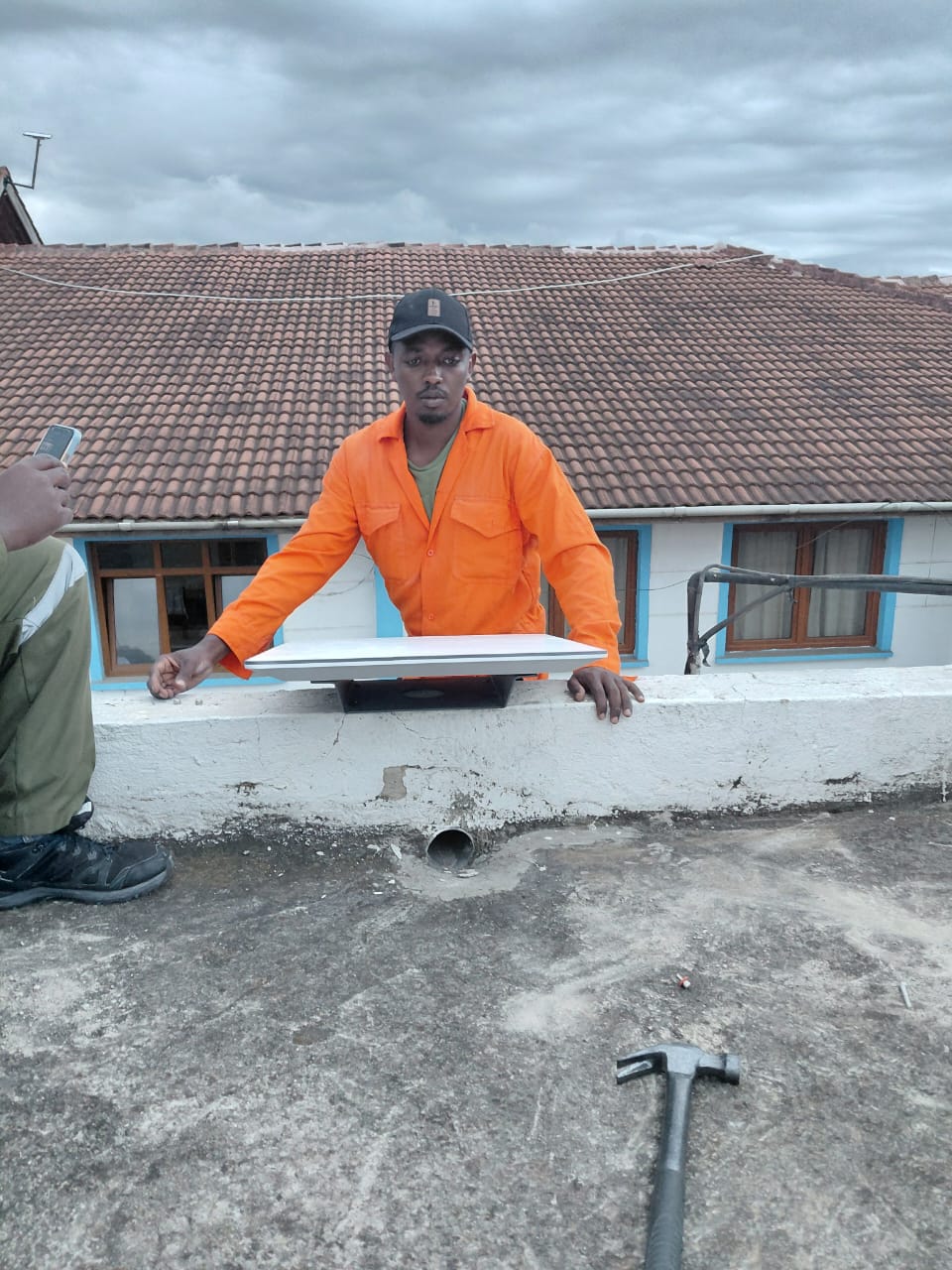
Satellite Internet Farming Kenya: 7 Proven Wins
satellite internet farming Kenya is no longer a narrow search for people who simply want faster browsing. In Kenya, the phrase now covers a serious decision about work, learning, farming, hospitality, health services, and family communication. A buyer in tea farms, dairy sheds, flower farms, irrigation blocks, seedling nurseries, and remote produce collection centres is not only comparing advertised speeds. The real question is whether the connection will stay usable when several people are online, when the weather changes, when a payment system must work, or when a video call cannot afford another frozen screen.
The Orbit Internet Kenya context matters because many buyers arrive after trying several fixes. Some have used mobile routers with an antenna on the roof. Others have waited for fibre that never reached their road. Some have paid for a local link that works well at first, then slows once more users join. This guide treats satellite internet farming Kenya as a practical installation and support decision, not a slogan. It explains the choices, the trade-offs, and the small details that decide whether the service feels dependable after the installer leaves.
If you are comparing options today, start with intent. Are you trying to connect a home, a school lab, a sales office, a farm, a lodge, or a backup line? Each case needs a slightly different answer. The best path may include Starlink, a stronger router, managed WiFi, power backup, or a second link for resilience. Use this guide alongside Starlink installation Kenya, Starlink Kenya price, and Starlink Kenya packages when you want local buying details, prices, and installation support.

satellite internet farming Kenya: who this guide is really for
satellite internet farming Kenya attracts very different readers, so a useful guide must separate curiosity from buying intent. A homeowner may want stable streaming and homework access. A lodge may need guest WiFi that does not embarrass the front desk. A clinic may need cloud records and calls. A school may need filtered computer-lab access. A business may need POS uptime and VPN access. The common thread is simple: farm owners, dairy managers, greenhouse operators, irrigation teams, produce exporters, and rural agribusiness offices need a connection that matches real use, not a generic promise.
The strongest search intent behind satellite internet farming Kenya is commercial investigation. People want to know what works, what it costs, how installation is handled, and what support looks like. That is why this article uses comparisons, objections, setup steps, and decision prompts. It also points to helpful local pages such as Starlink internet Kenya and Starlink Kenya, plus external market references like Starlite Internet Kenya and Starlink Kenya Installers where buyers can compare the broader Kenyan satellite internet ecosystem.
satellite internet farming Kenya comparison dominance section
| Option | Best fit | Main advantage | Watch-out |
|---|---|---|---|
| Starlink Standard kit | Homes, offices, schools, farms | Strong speed and low-latency satellite access where fibre is absent | Needs clear sky view, secure mounting, and proper router placement |
| Starlink Mini or portable kit | Field teams, mobile work, temporary sites | Compact kit for flexible use and fast deployment | May need careful expectations for heavy multi-user sites |
| Fixed wireless link | Sites near a reliable tower | Can be stable when engineered well | Line of sight, tower load, and support quality vary |
| 4G or 5G router | Urban backup or light use | Easy to start and familiar to most buyers | Signal congestion and data policy can limit reliability |
| Fibre where available | Dense towns and estates | Low latency and familiar billing | Coverage gaps remain the main blocker outside served roads |
This table does not crown one winner for every site because satellite internet farming Kenya depends on terrain, power, users, and support. Starlink can be the most practical answer where fixed networks are weak, while fibre can still win inside well-served estates. Fixed wireless can perform well when the tower is close and uncongested. Mobile routers can be a decent backup. The smart decision is to compare the full operating environment, then select the connection that solves the actual failure pattern.

Search intent dominance layer for satellite internet farming Kenya
People searching satellite internet farming Kenya usually want one of five answers: the best provider, the realistic monthly cost, the installation steps, the speed expectation, and the risk of downtime. A shallow article answers only the first two. A useful buying guide answers all five, then connects them to the buyer's location. That is why a good consultation asks for the nearest town, roof access, number of users, power stability, building layout, and whether the link is primary or backup.
For pricing and package research, start with Starlink Kenya price and Starlink Kenya packages. For installation planning, keep Starlink installation Kenya close because mounting height, cable routing, and router placement affect the everyday result. If you want to compare the wider market, Amazon Internet Kenya, Spacelink Kenya, and Orbit Link Solutions give additional signals about how Kenyan buyers are discussing satellite and LEO internet services.
satellite internet farming Kenya evaluation checklist
- Confirm whether the link is primary internet, backup internet, or a temporary deployment.
- Estimate active users during the busiest hour, not just the total number of devices.
- Check roof safety, pole strength, cable path, and clear sky view before buying hardware.
- Plan WiFi coverage separately from the satellite connection, especially in large buildings.
- Decide who will handle billing, troubleshooting, router passwords, and usage rules.
- Keep a simple failover plan if payments, bookings, exams, or cloud tools are mission-critical.
satellite internet farming Kenya: implementation depth that prevents disappointment
Implementation is where many internet projects succeed or fail. The kit can be good and the subscription can be active, yet users still complain if the router is hidden behind thick walls, the dish is mounted where trees block part of the sky, or the school lab shares the same open password as every phone on the compound. satellite internet farming Kenya should be treated as a small network project. The satellite terminal is one part of the system, not the whole system.
A clean implementation begins with a site survey. The installer checks the sky view, cable route, grounding needs, pole position, room layout, and power source. The next layer is WiFi design. A three-bedroom house, a hotel block, a staff office, and a computer lab need different access-point planning. The final layer is support. Users should know what normal speeds look like, who to call, how to restart equipment safely, and when to report a recurring outage.

Strong E-E-A-T signals for satellite internet farming Kenya
Experience matters because satellite internet is physical. A person who has installed kits across different roofs, valleys, estates, and commercial buildings quickly learns details that a brochure misses. Mounting near a tree line can create short dropouts. A metal roof may need careful cable protection. A busy office may need traffic rules. A school may need content filtering. These field lessons are why buyers should prefer providers who discuss site conditions before promising a perfect result.
Expertise also shows in how a provider handles limits. No honest installer should promise that satellite internet farming Kenya ignores all weather, all obstructions, all power issues, and all user behaviour. A reliable advisor explains what is controllable and what is not. That honesty helps the buyer choose suitable hardware, router equipment, support scope, and backup arrangements. Trust grows when the installation plan matches the site, not when every location receives the same answer.
satellite internet farming Kenya technical planning notes
For technical planning, separate satellite performance from local network performance. The dish talks to satellites. The router and access points distribute that connection indoors or across a compound. If users are far from the router, if the building has thick walls, or if the network is overloaded by unmanaged streaming, the satellite link may be blamed for a WiFi problem. Good satellite internet farming Kenya planning therefore includes signal testing inside the rooms where people actually work.
Objection handling section for satellite internet farming Kenya
Objection one: satellite internet is too expensive. Cost should be measured against the problem being solved. If a business loses sales when POS devices fail, if a school loses digital learning hours, or if a remote worker loses paid calls, the cheapest connection may become expensive. satellite internet farming Kenya can be more sensible when it replaces several weak fixes with one planned connection and a router setup that serves the right users.
Objection two: installation sounds complicated. The process is manageable when broken into steps: survey, mounting, cable routing, activation, router placement, WiFi testing, and user handover. A trained team can explain each stage in plain language. The buyer does not need to become a network engineer, but the buyer should understand the basics well enough to protect the equipment and report issues accurately.
Objection three: what if a better option arrives? That is a fair concern. The answer is to build a flexible network. Use good cabling, sensible router placement, and a supportable WiFi layout. Then, if fibre reaches the area later or another LEO service becomes viable, the site can adapt without starting from zero. satellite internet farming Kenya should be a practical bridge to better connectivity, not a locked box.

satellite internet farming Kenya semantic keyword expansion
Related terms help buyers think clearly: Starlink Kenya, satellite WiFi Kenya, rural internet Kenya, LEO satellite internet, remote area internet, enterprise backup internet, school internet installation, WiFi access points, router placement, latency, uptime, fair usage, installation support, and power backup. These phrases are not decorations. They describe the real decisions around satellite internet farming Kenya, especially when a site has many users or a critical workload.
For example, a buyer comparing Amazon Leo internet Kenya with Starlink may be asking about future LEO competition. A buyer reading Amazon Kuiper Kenya may be watching Amazon Kuiper development. A buyer in the coast region may benefit from Starlink Mombasa setup tips because humidity, mounting surfaces, and building layouts can influence installation. Semantic coverage is useful only when it helps the reader make a better decision.
Cost, value, and realistic expectations
Cost has three parts: hardware, installation, and monthly service. Some buyers focus only on the monthly fee and then under-budget the parts that make the service pleasant to use: a secure mount, neat cabling, extra access points, surge protection, a stronger router, or a backup power unit. satellite internet farming Kenya works best when the budget includes the full working network, not only the satellite kit in a box.
Value should be measured by productive hours. A rural office that can send invoices, hold calls, and upload documents has gained more than speed. A school that can run digital lessons has gained learning continuity. A lodge that can keep guests connected has protected its reputation. A home with stable remote work has reduced stress. That is the practical value behind a well-planned satellite internet setup.
farm satellite connectivity decision CTA architecture
Primary decision: If your site has weak fibre coverage, unstable mobile data, or a business-critical workload, plan a farm internet setup that supports staff, cameras, payments, and digital records. Start with your location, number of users, roof access, power setup, and the work that must stay online.
Secondary decision: If you are still comparing options, read Starlink internet Kenya, Starlink Kenya, and Starlink Kenya packages before buying. Then compare external providers such as Starlite Internet Kenya and Starlink Kenya Installers so the final choice is grounded in Kenyan market context.
Detailed buying framework for rural farm internet
Start with coverage. If fibre is absent or unreliable, satellite becomes more attractive. Next, review workload. Video calls, cloud backups, POS systems, research downloads, and guest WiFi require different tolerance levels. Third, review building layout. A single router may cover a small home, but not a large school, hotel, or office compound. Fourth, review support. The person selling the kit should be able to explain what happens after activation.
Then review growth. Today you may have ten users; next year there may be thirty. Today the connection may serve a living room; next term it may serve a computer lab. Choosing connected agriculture in Kenya with future access points, VLANs, bandwidth controls, or a second WAN in mind can save money later. A neat installation should make expansion easier, not harder.
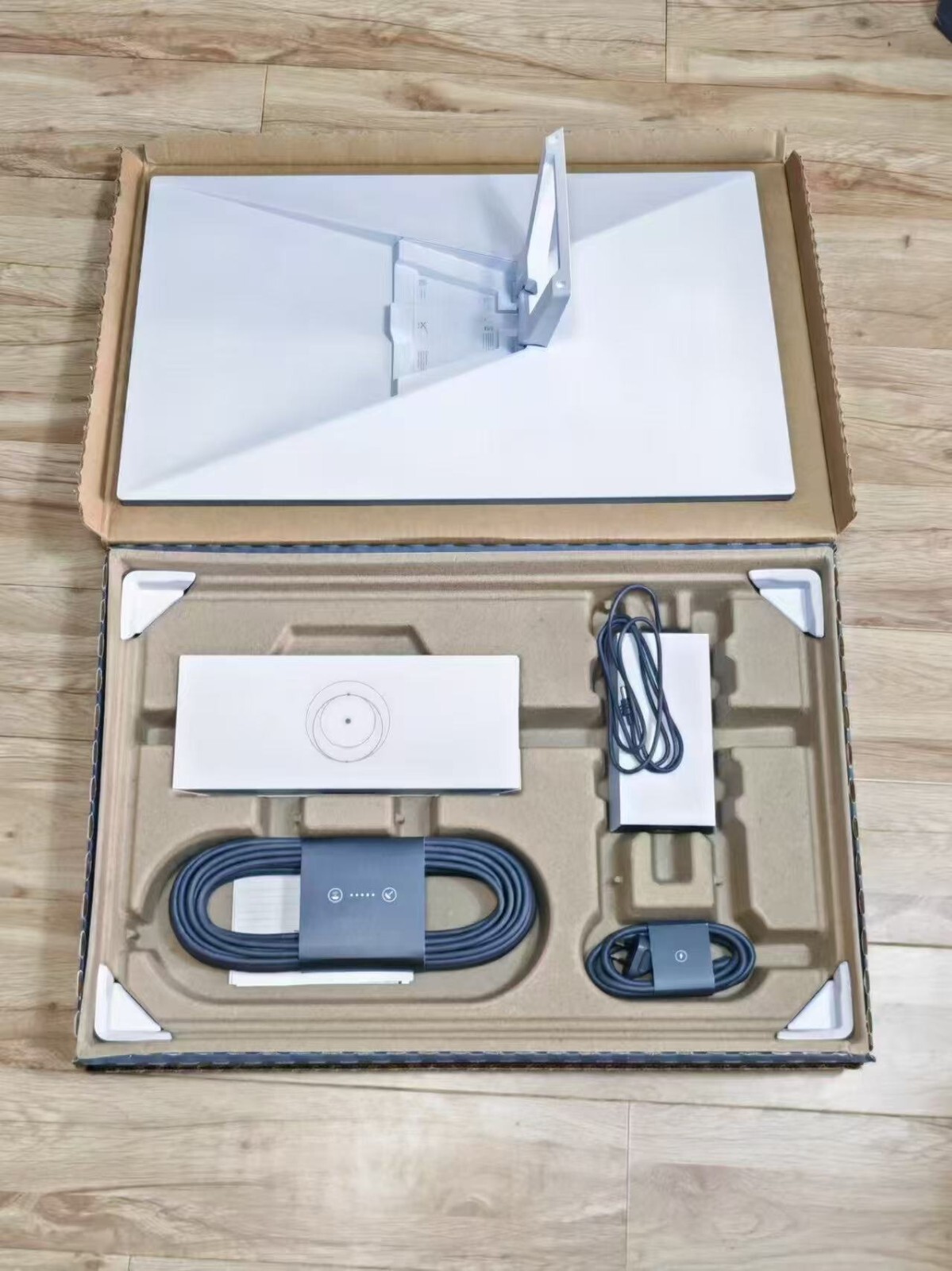
Practical setup sequence
| Step | What happens | Why it matters |
|---|---|---|
| 1. Site survey | Check sky view, roof access, building layout, and power. | Prevents avoidable obstruction and WiFi problems. |
| 2. Mount and cable | Install the dish securely and route cable neatly. | Protects performance, safety, and future maintenance. |
| 3. Activate service | Confirm account, plan, and device status. | Ensures the kit is ready before handover. |
| 4. Configure network | Place router, add access points, set names and passwords. | Turns satellite access into usable WiFi. |
| 5. Test and train | Test rooms, explain restarts, and document support contacts. | Reduces confusion after installation day. |
rural farm internet: field-specific implementation notes
Farm internet is different from ordinary home browsing because the connection often serves several scattered activities at once. A manager may be checking irrigation records, a buyer may be confirming collection times, a camera may be watching a store, and a family house may be using the same connection after work. The best farm setup separates these needs so one busy user does not make the whole site feel slow.
For farms, the most useful implementation detail is placement. A dish may sit near the farmhouse, but the actual users may be in a packing shed or office several metres away. That calls for outdoor-rated access points, protected cable routes, and clear password rules. Good planning also considers power cuts, because smart farming tools are only useful when the router and access points stay online during working hours.
connected agriculture in Kenya local operating checklist
- Confirm the most important users and devices before installing the kit.
- Separate public, staff, learner, customer, or visitor access where the site needs privacy.
- Test WiFi in the exact rooms, sheds, offices, or service points where the work happens.
- Document the support contact, restart process, and equipment location for non-technical staff.
FAQ: satellite-backed farm WiFi
Is satellite internet reliable enough for daily work?
Yes, it can be reliable enough for daily work when the kit has clear sky view, stable power, and a proper WiFi design. The mistake is assuming the satellite kit alone solves every network issue. For farm satellite connectivity, reliability depends on mounting, router placement, user load, support, and whether critical sites keep a backup option for payments or urgent calls.
How many users can one connection support?
The answer depends on what users are doing. Ten people reading email are different from ten people streaming video or uploading files. A good rural farm internet plan estimates peak-hour activity, then adds router rules or access points where needed. Schools, hotels, and offices should avoid treating a busy shared network like a simple home setup.
Do I still need an installer if the kit looks simple?
Some buyers can self-install, but professional help is useful when the roof is high, the cable route is complex, or the network serves many users. An installer can check obstruction, mount securely, reduce cable damage, and improve WiFi coverage. That extra care often decides whether the service feels smooth after the first week.
What should I compare before buying?
Compare hardware cost, monthly fee, installation quality, support response, router capability, access-point needs, power backup, and upgrade path. Also compare alternatives such as fibre, fixed wireless, and mobile routers where they are available. connected agriculture in Kenya is strongest when it solves a clear coverage or uptime problem better than local options.
Can satellite internet work with schools or business systems?
Yes. Schools can use it for research, e-learning, administration, and filtered lab access. Businesses can use it for POS systems, cloud tools, email, guest WiFi, and backup connectivity. For serious use, satellite-backed farm WiFi should include network rules, device separation, power planning, and a support contact who understands the site.
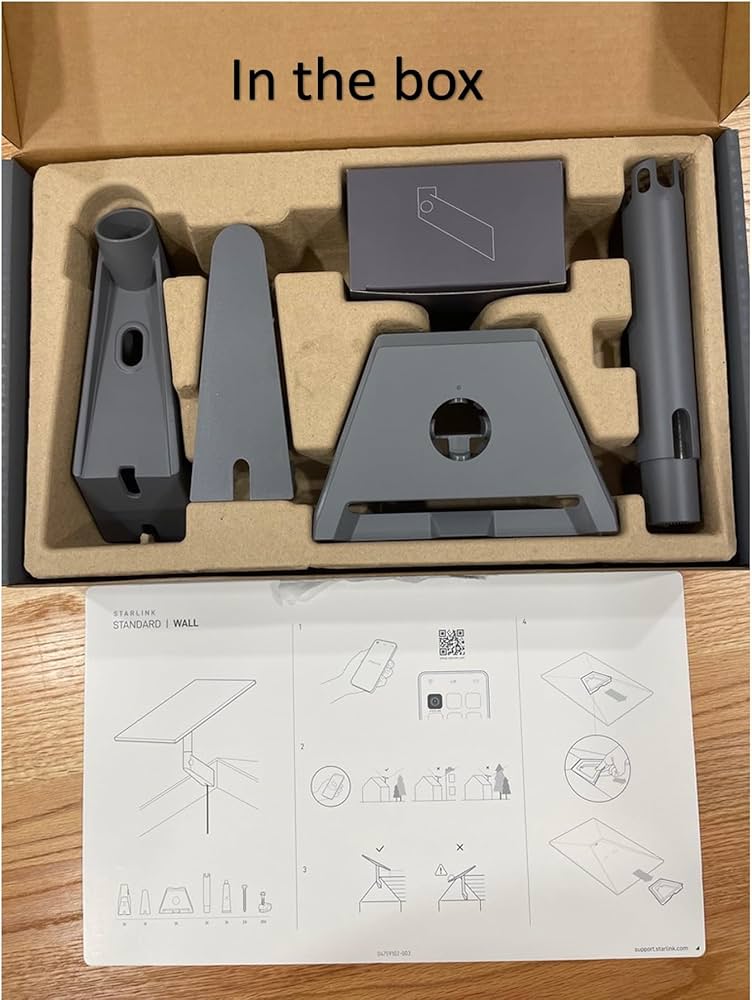
connected agriculture in Kenya: final thoughts
The best answer is not always the loudest advertisement. satellite-backed farm WiFi should be judged by how well it solves your location, your users, your building, and your support expectations. A rural home, a school, a clinic, and a lodge can all use satellite internet, but they should not all receive the same installation design. The winning setup is the one that stays useful during normal busy hours, not only during a clean speed test.
Before you buy, write down the jobs the connection must protect. That list may include video calls, learning platforms, guest WiFi, POS terminals, cloud documents, CCTV access, or family streaming. Then ask whether the kit, router, power source, and installer can support those jobs. If the answer is vague, pause and gather more information through Starlink installation Kenya, Starlink Kenya price, and Starlink Kenya packages before committing.
For many Kenyan sites, farm satellite connectivity is a strong path to dependable connectivity because it reduces dependence on road-by-road fibre expansion and tower congestion. It still needs practical planning. Use the comparisons, checklist, objections, and FAQ above to make a cleaner decision. When the site survey, hardware choice, installation, and support line up, satellite internet becomes less of a gamble and more of a working utility.
